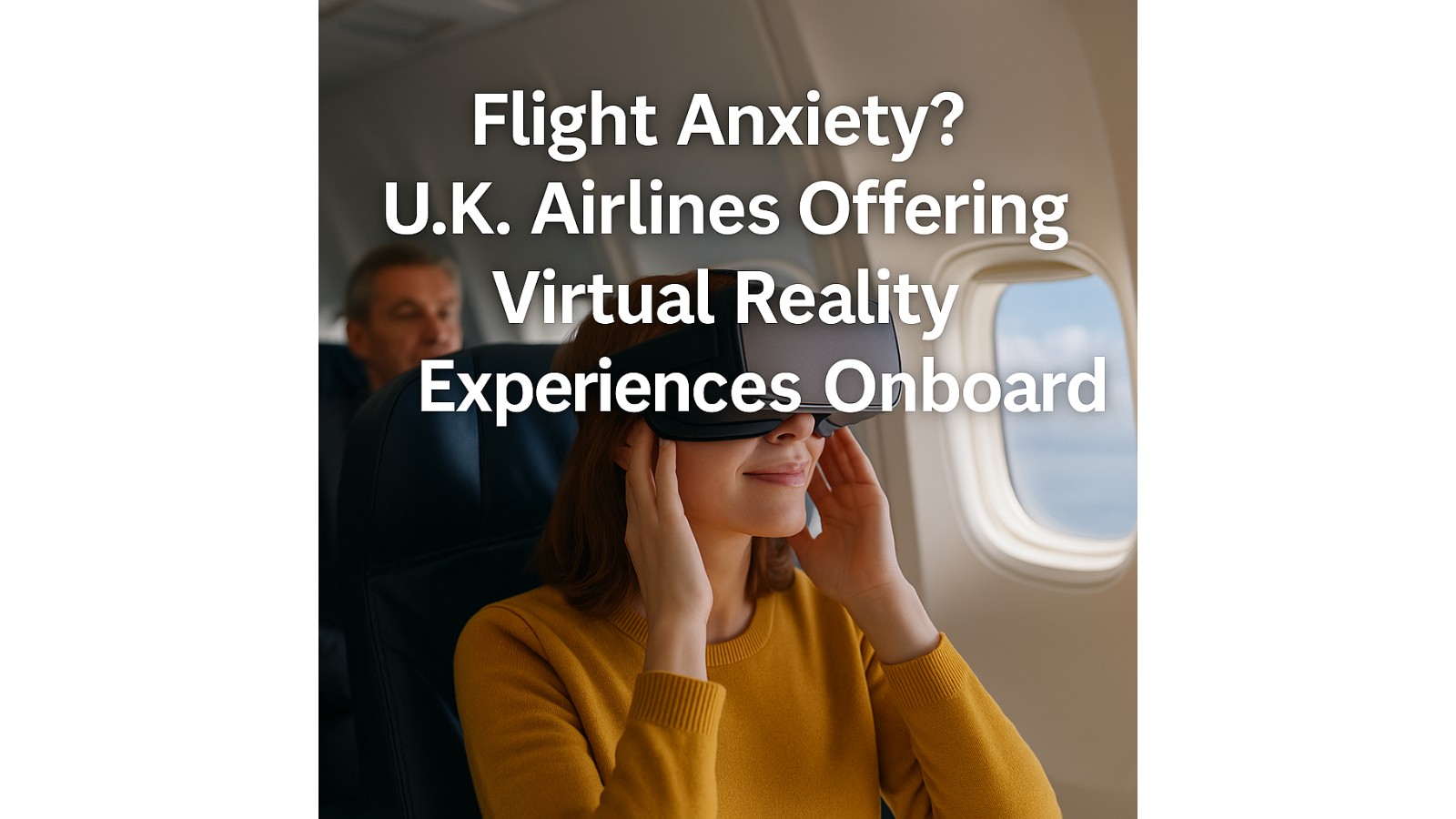
Flight anxiety is real—but now U.K. airlines are offering virtual reality experiences onboard to help passengers relax. Discover how this innovative tech is transforming in-flight comfort.
Understanding Flight Anxiety
What Causes Flight Anxiety?
Flight anxiety—also known as aviophobia—is a common fear that arises from several triggers, including fear of heights, lack of control, turbulence, and even claustrophobia. For many, the idea of being thousands of feet above the ground in a confined space is simply overwhelming.
Who Is Most Affected?
According to recent surveys, up to 40% of passengers experience some form of anxiety while flying. This includes both first-time flyers and frequent travelers. Individuals with generalized anxiety disorders or previous traumatic flying experiences are particularly vulnerable.
Symptoms Passengers Experience
Typical symptoms include:
- Increased heart rate
- Sweating or trembling
- Nausea or dizziness
- Panic attacks
- Urge to avoid flying altogether
These symptoms can make even short flights feel like a nightmare. Thankfully, technology is stepping in to help.
The Growing Role of Technology in Air Travel
A Brief History of In-Flight Entertainment
In the early days of commercial aviation, in-flight entertainment was limited to magazines and perhaps a communal movie screen. As aircraft became more modern, airlines introduced personal screens, noise-cancelling headphones, and interactive content.
The Rise of Wellness Tech in Aviation
Today, technology isn’t just about entertainment—it’s about passenger well-being. Airlines are exploring calming LED lighting, soothing audio environments, and more recently, virtual reality (VR) to help combat flight stress.
What Is In-Flight Virtual Reality?
How VR Works During a Flight
In-flight VR typically involves a lightweight headset with immersive audio and visuals. Once worn, passengers can access calming environments like beach scenes, guided meditation, or even cinematic movies in 360-degree view.
Types of VR Content Offered Onboard
- Nature escapes (beaches, forests, oceans)
- Meditation and breathing exercises
- Immersive documentaries
- Flight simulation for desensitization
- Interactive games (for children and adults)
Safety Protocols for VR Usage
VR headsets are thoroughly sanitized after each use. Passengers are usually briefed on when and how to use them safely—especially during takeoff, landing, or turbulence.
How U.K. Airlines Are Using VR to Combat Flight Anxiety
British Airways’ “SkyLights” Experience
British Airways has rolled out SkyLights, a VR platform offering relaxation experiences, cinematic content, and mindfulness programs. It’s been a hit among nervous flyers on long-haul routes.
Virgin Atlantic’s Immersive Meditation Programs
Virgin Atlantic has experimented with guided meditation and wellness content, including mindfulness VR sessions that start as soon as passengers board. These programs use serene visuals and breathing techniques to ease tension.
Budget Carriers Joining the Tech Wave
Even budget airlines like EasyJet and Jet2 have piloted VR trials, especially during longer flights to tourist destinations, showing that VR isn’t just for premium cabins anymore.
Behind the Tech: Companies Providing VR for Airlines
SkyLights
A pioneer in airborne VR, SkyLights offers cinematic and therapeutic content tailored for in-flight use. Their Allosky headset is ergonomically designed for aircraft seats.
Inflight VR
This company partners with global airlines to provide immersive experiences with a library of relaxation and entertainment options, designed to function without Wi-Fi.
Other Major Innovators
- Pico Interactive
- Panasonic Avionics
- Immersive Wisdom
These tech firms are shaping the future of air travel.
Real Passenger Stories and Testimonials
Feedback from Nervous Flyers
Many passengers who tried in-flight VR said it made a “night and day” difference. One traveler remarked:
“I forgot I was even flying—I was walking through a bamboo forest!”
Interviews With VR Adopters
Several frequent flyers now request VR headsets as part of their booking. “I used to rely on medication,” shared another passenger, “but VR keeps me calm naturally.”
Benefits of VR for Nervous Flyers
Reduced Anxiety and Stress
VR offers complete sensory immersion, which helps distract the brain from fear triggers like engine noise or turbulence.
Enhanced Sense of Time Passage
Flights seem shorter when passengers are mentally engaged—especially on long-haul journeys.
Improved Flight Satisfaction
Passengers using VR reported higher overall satisfaction, more restful experiences, and less fatigue upon landing.
Medical Experts Weigh In on VR for Anxiety
Psychological Perspective
Therapists specializing in phobias say VR is an effective tool for exposure therapy. It mimics real situations in a controlled and safe way.
Potential Therapeutic Value
Studies show that VR can lower cortisol levels (the stress hormone), improve mood, and foster relaxation—making it ideal for anxious travelers.
Limitations and Precautions
Experts caution that VR isn’t suitable for everyone. Individuals prone to motion sickness or severe claustrophobia may need alternatives.
Accessibility and Pricing of VR Onboard
Is It Free or Paid?
In premium cabins, VR is often complimentary. In economy, there may be a small rental fee (typically £5–£10).
First Class vs Economy Experience
First class passengers receive advanced headsets and full content libraries, while economy access may be limited or app-based via personal devices.
Availability on Domestic vs International Flights
Currently, VR is more common on international or transatlantic routes, though some U.K. domestic flights are beginning to offer it.
Challenges and Limitations of VR in Flights
Motion Sickness Concerns
Some passengers may feel dizzy or disoriented while using VR, especially during turbulence.
Device Maintenance and Hygiene
Airlines must maintain high sanitation standards to ensure devices are clean and functioning properly.
Passenger Receptiveness
While many enjoy the tech, others prefer traditional methods like reading, sleeping, or simply closing their eyes.
Future of VR in Commercial Aviation
AI-Personalized Experiences
AI will soon customize VR content to match a passenger’s emotional state—measured via biometric feedback.
Expansion to AR and Mixed Reality
Future cabins may include augmented reality windows or mixed-reality entertainment zones, blending the physical and digital worlds.
Long-Haul Mental Health Management
Imagine using VR for jet lag treatment or time zone adaptation—this could revolutionize transcontinental travel.
Alternative Methods Airlines Use to Ease Flight Anxiety
Calming Lighting and Soundscapes
Airlines use ambient lighting and sound therapy to set a tranquil mood during boarding and landing.
In-Seat Meditation Apps
Apps like Headspace or Calm are integrated into seatback screens for easy access.
Crew Training for Anxious Flyers
Many flight attendants are now trained to recognize and assist passengers showing signs of panic or stress.
How to Prepare If You’re a Nervous Flyer
Tips Before the Flight
- Avoid caffeine and alcohol
- Choose morning flights (less turbulence)
- Inform the airline in advance about your condition
Apps and Tools to Download
Download VR-compatible apps like SkyLights Relax, Tripp, or AirPano before boarding.
What to Ask Airlines About VR Availability
When booking, ask if your flight offers VR and if you need to reserve a headset in advance.
Is VR available on all U.K. airline flights?
No. VR is mostly available on long-haul or premium routes. Check with the airline beforehand.
Can children use VR headsets on flights?
Yes, but under supervision and with age-appropriate content.
What if I get motion sickness from VR?
You can stop using it immediately. Most devices include motion calibration to minimize discomfort.
How do I request a VR headset?
You can usually request it during check-in, on the airline’s app, or ask a crew member onboard.
Is VR better than medication for flight anxiety?
It can be, especially for mild to moderate anxiety. Consult your doctor before flying.
Can I use my own VR headset onboard?
Yes, if it’s compact and doesn’t interfere with safety instructions or Wi-Fi policies.
Conclusion: A Smoother Journey Is Just a VR Headset Away
Flight anxiety doesn’t have to rule your travel plans. Thanks to innovation and commitment from U.K. airlines, nervous flyers now have a tech-powered solution that turns fear into fascination. With virtual reality, the skies have never been more welcoming—or more immersive.
Related posts:

War broke out between two women over a machine in gym, grabbed hair and slapped each other

Combined initiative of corporation and Strey Safe Foundation, safety of city dwellers from the roads...