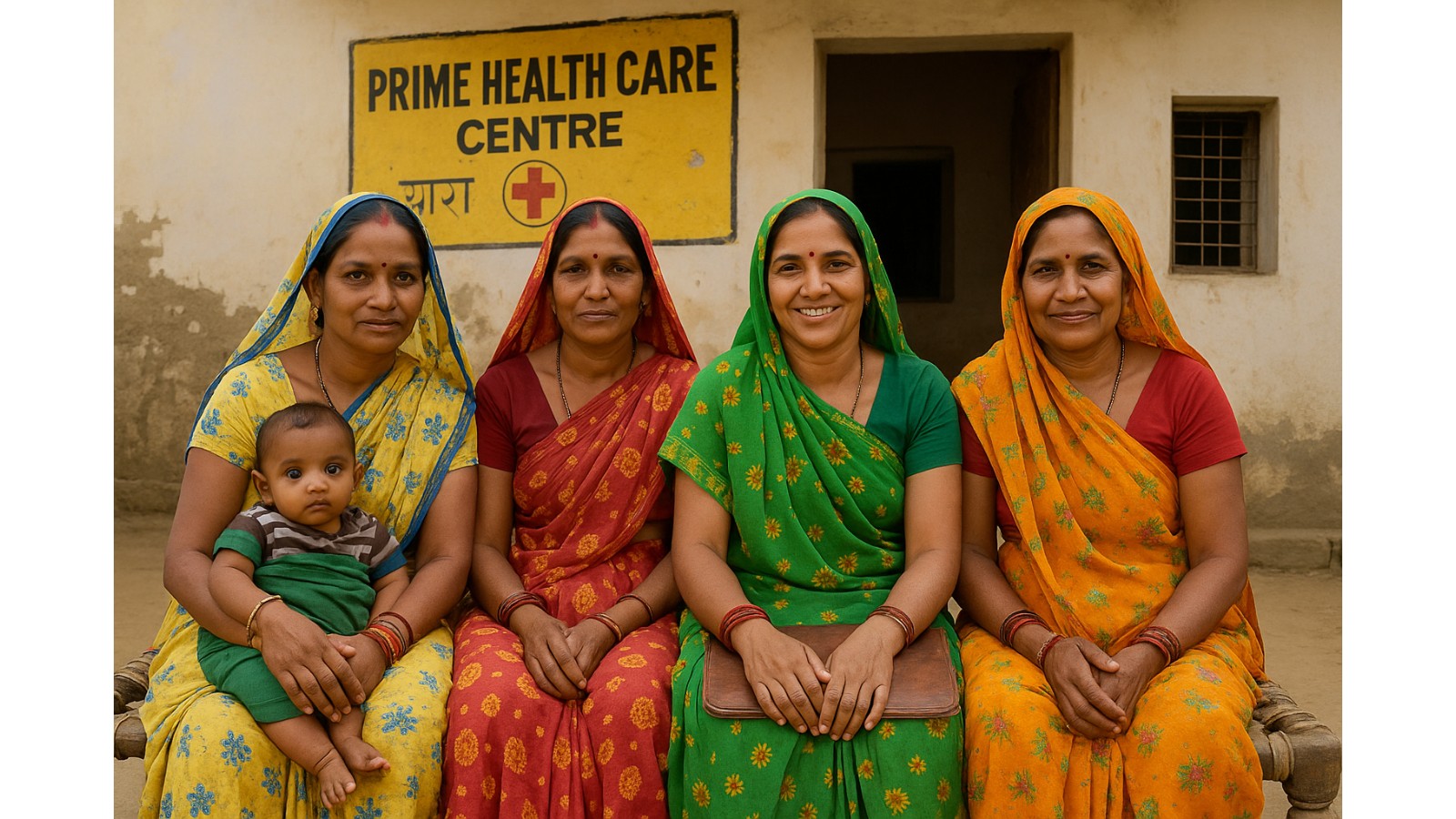
Rural women in India often face severe health challenges due to lack of access to proper medical facilities, inadequate sanitation, and limited financial resources. From maternal health to nutrition and reproductive rights, their well-being is shaped by a complex web of social, economic, and infrastructural barriers.
The government of India, recognizing this urgent need, has rolled out a variety of health subsidies and schemes tailored specifically to support women in rural areas. These subsidies not only aim to save lives but also to empower women to seek medical care without financial fear.
The Importance of Government Interventions
Why are subsidies crucial in rural healthcare? Because health inequalities in India are deeply rooted in geography and gender. Rural women are more likely to experience:
- High maternal mortality rates
- Limited access to emergency obstetric services
- Early pregnancies with inadequate prenatal care
- Poor menstrual hygiene and reproductive health education
Subsidies help lower these barriers by offering financial incentives, access to free or subsidized health services, and awareness programs. In many villages, these interventions have made the difference between life and death during childbirth or critical illness.
Key Government Schemes and Subsidies
Let’s break down the top schemes making a real difference in women’s lives:
Janani Suraksha Yojana (JSY)
Launched: 2005
Objective: Promote institutional deliveries among poor pregnant women.
Key Benefits:
- Financial assistance to pregnant women who deliver in government health facilities
- Assistance to Accredited Social Health Activists (ASHAs) for mobilizing women for antenatal check-ups and institutional delivery
Impact:
According to the Ministry of Health and Family Welfare, over 10 million women have benefited from JSY, leading to a notable reduction in maternal and infant mortality rates.
Pradhan Mantri Matru Vandana Yojana (PMMVY)
Launched: 2017
Objective: Provide partial wage compensation to pregnant and lactating mothers.
Incentives Offered:
- ₹5,000 in three installments upon meeting various prenatal and postnatal milestones
- Additional support through Janani Suraksha Yojana for institutional delivery
Coverage:
Targeted at the first live birth of a woman, particularly beneficial for women in the informal sector.
Ayushman Bharat – Pradhan Mantri Jan Arogya Yojana (PMJAY)
This health assurance scheme covers hospitalization costs up to ₹5 lakh per family per year, including:
- Maternity care
- Cancer treatment
- Major surgeries and diagnostics
How it helps women:
Provides cashless treatment in empaneled hospitals, reducing the financial burden on rural families, especially for maternal and chronic health conditions.
National Health Mission (NHM)
NHM integrates maternal, newborn, child, and adolescent health programs through:
- Mobile Medical Units
- Village Health Nutrition Days
- Deployment of community health workers (ASHAs)
It strengthens the delivery of healthcare services at the grassroots level.
State-Specific Women Health Schemes
Different states in India have their own initiatives:
- Tamil Nadu’s Amma Baby Care Kit: Provides essential postnatal items to mothers.
- Kerala’s Seethalayam Clinics: Focus on mental health support for women.
- Maharashtra’s Matrutva Anudan Yojana: Offers support for nutritional intake during pregnancy.
These programs reflect local innovations within the national framework.
Role of ASHAs and ANMs in Delivering Subsidies
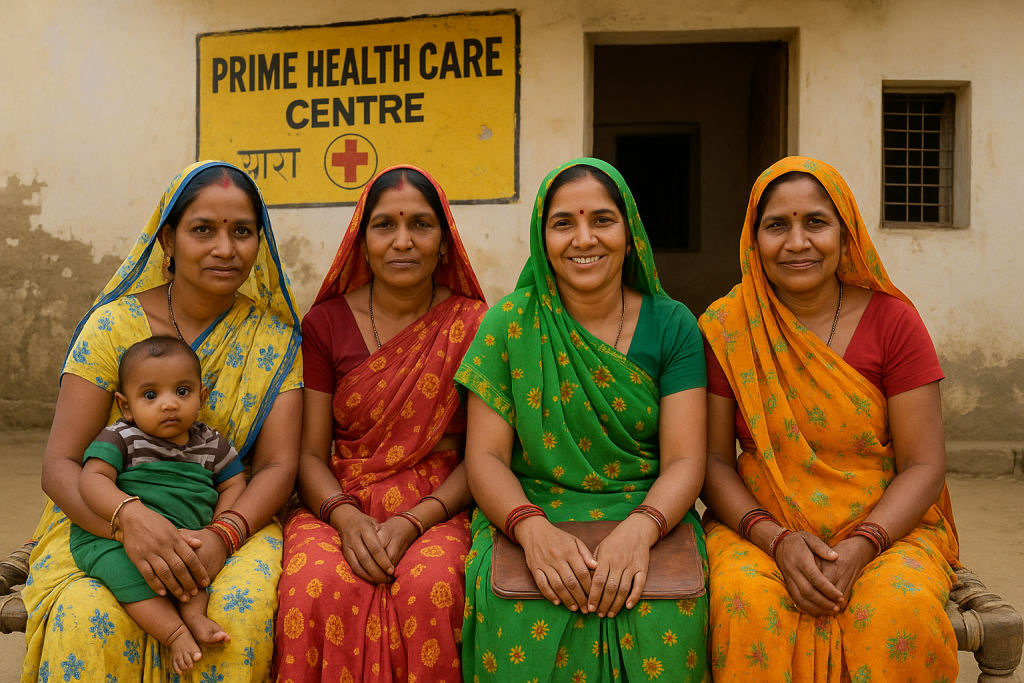
Accredited Social Health Activists (ASHAs) and Auxiliary Nurse Midwives (ANMs) are the unsung heroes behind the success of rural health schemes. They are the bridge between the community and the healthcare system.
What Do ASHAs and ANMs Do?
- Doorstep health services: Conduct home visits for antenatal check-ups, vaccinations, and nutritional advice.
- Mobilization: Encourage institutional deliveries and timely healthcare utilization.
- Data collection: Maintain health records and report cases to the health department.
- Awareness campaigns: Educate women about schemes like JSY and PMMVY and how to apply for them.
Their grassroots presence ensures that even women in the most remote villages receive the support and benefits they deserve.
Impact of Subsidies on Maternal and Child Health
The effects of these health subsidies are visible and measurable:
- Maternal Mortality Ratio (MMR) dropped from 130 (2014-16) to 97 (2018-20) per 100,000 live births.
- Institutional deliveries increased from 38.7% in 2005 to over 88.6% in 2020, thanks to schemes like JSY.
- Infant mortality rate also saw consistent decline due to better prenatal and neonatal care.
Case Study: Bihar’s Health Revolution
In Bihar, the integration of JSY with the health department’s outreach efforts increased hospital deliveries by over 200% in 5 years. Local clinics saw a surge in female patients seeking prenatal and postnatal care with confidence and financial backing.
Challenges in Implementing Health Subsidies
Despite progress, several roadblocks remain:
- Awareness gap: Many women are unaware of existing schemes or how to claim benefits.
- Corruption and leakage: Funds or benefits sometimes don’t reach the intended recipients.
- Documentation barriers: Complex paperwork can deter eligible women, especially those with limited literacy.
- Healthcare infrastructure: Shortage of doctors, female staff, and medicines in rural clinics hampers effective care.
Technology and Innovation in Reaching Rural Women
Digital solutions are now helping close the accessibility gap:
- Mobile health apps (like ANMOL and mSakhi) allow real-time monitoring of maternal health.
- Telemedicine connects rural patients with specialists in urban centers.
- e-RUPI vouchers are being used to deliver direct benefits without the need for bank accounts.
These innovations are making healthcare more inclusive, efficient, and transparent.
NGOs and Their Role in Women’s Health
Non-governmental organizations play a vital complementary role. Notable examples include:
- SEWA Rural: Offers mobile health units for tribal women in Gujarat.
- CARE India: Partners with state governments for maternal health education.
- ARMMAN: Uses mobile technology to send voice messages and reminders to expectant mothers.
These partnerships amplify the reach and depth of government subsidies.
Budget Allocation and Policy Support
How Much Does the Government Spend?
In 2023-24, the Government of India allocated ₹89,155 crore for the Ministry of Health and Family Welfare, with:
- ₹37,000 crore earmarked for NHM
- ₹6,500 crore for PMJAY
- ₹1,200 crore for PMMVY
These investments show a sustained commitment to women’s health, although many experts believe more targeted funding is needed for remote and tribal populations.
Future Roadmap for Women’s Health in Rural India
To make women’s healthcare in rural India truly inclusive and sustainable, the government must:
- Increase digital literacy and accessibility for women.
- Recruit and train more female health professionals in rural areas.
- Strengthen partnerships with NGOs and private sector players.
- Enhance monitoring mechanisms to reduce corruption and improve delivery.
- Promote community health insurance models for local empowerment.
Who is eligible for Janani Suraksha Yojana (JSY)?
Women from below-poverty-line (BPL) households who are 19 years or older and delivering their first or second child in a government facility are eligible.
How do I register for PMMVY?
You can register at the nearest Anganwadi Centre or via the official PMMVY software portal through your ASHA/ANM worker.
What does Ayushman Bharat cover for pregnant women?
It covers pre- and post-natal care, hospitalization, surgeries, and delivery-related expenses up to ₹5 lakh per year.
How are ASHAs paid for their services?
ASHAs receive performance-based incentives for activities like promoting institutional delivery, immunization, and health awareness.
Are there any benefits for the second or third pregnancy?
PMMVY is limited to the first live birth, but JSY supports institutional deliveries regardless of birth order under certain conditions.
Can women access these schemes without Aadhaar?
Most schemes require Aadhaar for direct benefit transfer, but exceptions may apply in special cases based on state-level rules.
Conclusion
Government subsidies for women’s health in rural India have been life-changing, ensuring that millions of women receive the care they deserve during some of the most critical phases of their lives. While challenges remain, the path forward is clear: increased awareness, better delivery mechanisms, and continued policy innovation.
Through sustained efforts and smart investments, India can achieve universal healthcare for its women—empowering not just individuals, but entire communities.